Entryway Drop Zone: 4-Zone System for Less Clutter
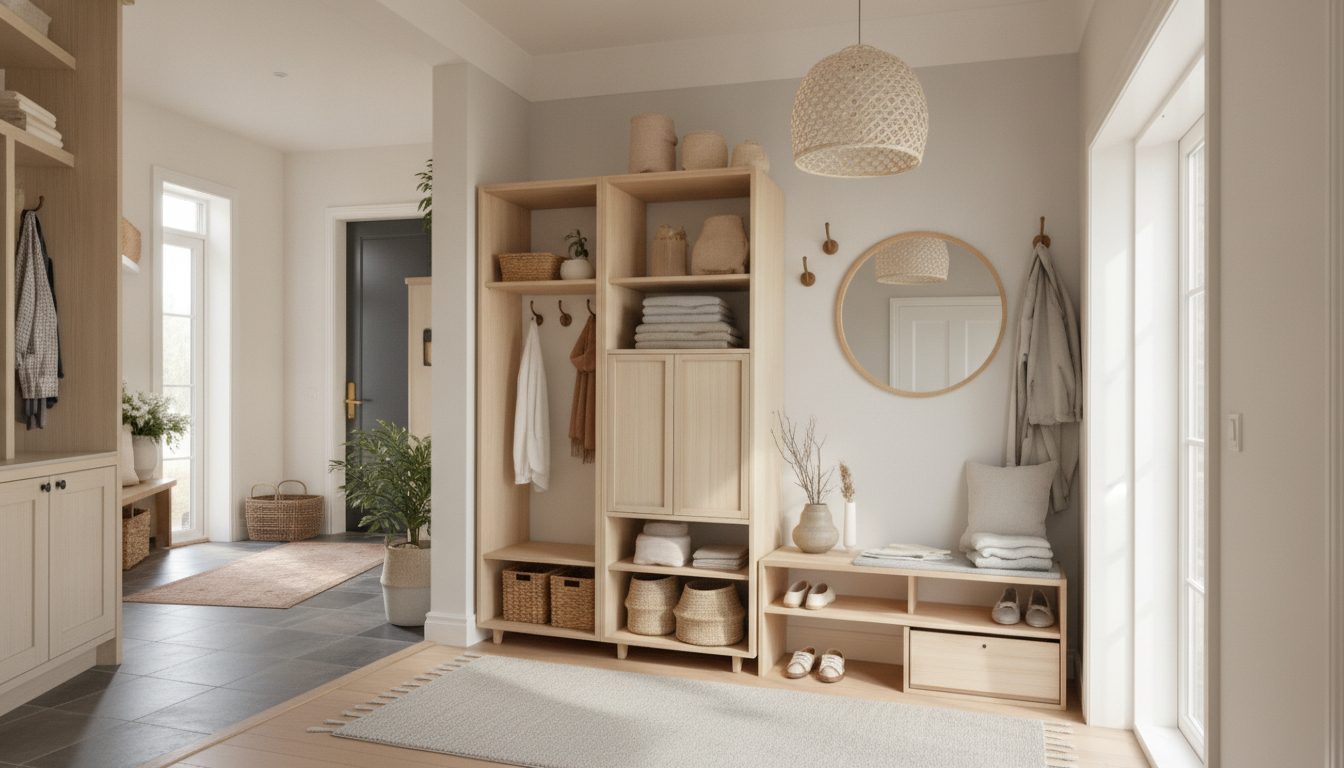
From Doorway to Drop Zone: A Simple System for a Calmer, Clutter-Free Entryway
A functional entryway reduces daily friction: fewer lost keys, less floor clutter, and smoother departures. A simple “drop zone” system turns the space by the door into an intentional landing spot for the items that otherwise migrate to counters, stairs, and dining tables. The goal isn’t a picture-perfect foyer—it’s a repeatable setup that holds up to real schedules, shared spaces, and busy mornings. For more guidance, see [PDF] Guide for the Care and Use of Laboratory Animals.
What a “drop zone” entryway does (and why it works)
A drop zone is a dedicated, predictable place for everyday carry items—so you stop re-deciding where things go. When each category has a home (keys, bags, mail, shoes, outerwear), clutter is less likely to spread into “scatter zones” throughout the house. For further reading, see NFPA | The National Fire Protection Association.
- Defines one intentional landing spot for keys, bags, mail, shoes, and outerwear.
- Prevents piles from forming on nearby surfaces like kitchen counters or stair landings.
- Creates a consistent arrival/departure routine—especially helpful for families and roommates.
- Improves safety by keeping pathways clear and reducing trip hazards.
- Supports faster mornings by keeping essentials visible and easy to grab.
For additional inspiration and real-home examples, sources like Apartment Therapy and The Spruce show how small tweaks (hooks, trays, and clear boundaries) can dramatically change the feel of an entry.
What’s included in the From Doorway to Drop Zone bundle
If you want a straightforward plan you can follow once and then maintain with minimal effort, the From Doorway to Drop Zone: Entryway Organization Bundle – 3 in 1 eBook, Checklist & Guide is designed to be action-focused rather than overwhelming.
- 3-in-1 format built for follow-through: an eBook for the method, a checklist for setup, and a guide for layouts and practical decisions.
- Checklist-driven steps to reduce decision fatigue: sort, place, label, maintain.
- Helpful for new homes, seasonal resets, or after a “clutter creep” phase.
- Works with what you already own—no renovation required. The focus is zones, containers, and habits.
Set up the system in four zones
A drop zone works best when it’s divided into clear mini-areas. Think “zones,” not furniture: even a wall strip and a small tray can do the job if the boundaries are defined.
1) Landing zone
This is your “don’t-think-about-it” spot for tiny essentials. Place it within immediate reach of the door (ideally at adult eye level or hand level).
- Keys, sunglasses, wallet, earbuds, badge, dog leash
- Use a tray, bowl, wall hooks, or a key rack
2) Footwear zone
Shoes become clutter when there’s no limit. Create a boundary that decides where footwear begins and ends.
- Use a mat, boot tray, rack, or basket
- Consider a “daily shoes only” rule to prevent sprawl
3) Outerwear zone
Coats and bags need fast storage. Hooks usually win for speed, especially for kids and guests.
- Hooks, a rod, slim hangers, or an over-door rack
- Keep it sized to what’s used now—not everything you own
4) Paper & small-stuff zone
Mail and school papers are manageable when they have one inbox. “One inbox” beats five half-stacks scattered around.
- Single inbox tray for mail and school notes
- “To return” bin for library books, packages, and errand items
| Zone | What belongs here | Simple container ideas | Quick rule to keep it tidy |
|---|---|---|---|
| Landing zone | Keys, wallet, sunglasses, earbuds, dog leash | Tray, wall hooks, small bowl, key rack | Nothing else gets set down here |
| Footwear zone | Everyday shoes/boots | Shoe rack, boot tray, basket for slippers | Daily shoes only; rotate seasonally |
| Outerwear zone | Most-used coats, hats, umbrellas | Hooks, slim hangers, over-door rack | One hook per person (plus 1 guest hook) |
| Paper & small-stuff zone | Mail, school notes, returns, coupons | Inbox tray, labeled folders, return bin | Sort daily; empty weekly |
Use the checklist to plan before buying bins or furniture
The fastest way to waste money is to buy containers before you know what you’re containing. A checklist-first approach helps you fit the system to your real habits, not a fantasy routine.
- Measure the actual space: door swing, walkway width, and the natural “drop” spot.
- List daily carry items by person (keys, badge, bag, sports gear) so storage is sized correctly.
- Choose containment over capacity: smaller bins encourage frequent resets and prevent “junk box” growth.
- Pick one labeling style everyone understands (names, categories, or days of the week).
- Decide non-negotiables: clear floor path, one paper inbox, and a defined shoe limit.
Entryway layouts for small spaces, apartments, and busy households
Maintenance that takes minutes, not hours
Choosing containers and tools that match real habits
More checklist-style toolkits you may like
- Kids Finance Toolkit: From Allowance to Awareness | 3 in 1 Bundle of Money Guides & Checklists
- Muscle Sculpting Toolkit for Women: Sculpt & Shred Guide, Checklist, and More
FAQ
Is this bundle useful for very small entryways or apartments?
Yes. A compact setup (hooks + slim shelf + a defined shoe boundary) works well in small spaces, especially when you use vertical storage and keep tight limits on what lives by the door.
How long does it take to set up a functional drop zone?
A basic drop zone can be set up in an afternoon: do a quick declutter, define the four zones, place simple containers, and finish with a short daily reset routine.
Can the checklist be used digitally or printed?
Either works. Print it for a hands-on reset session, or keep it digital for quick reference when you’re maintaining the system week to week.















Leave a comment